
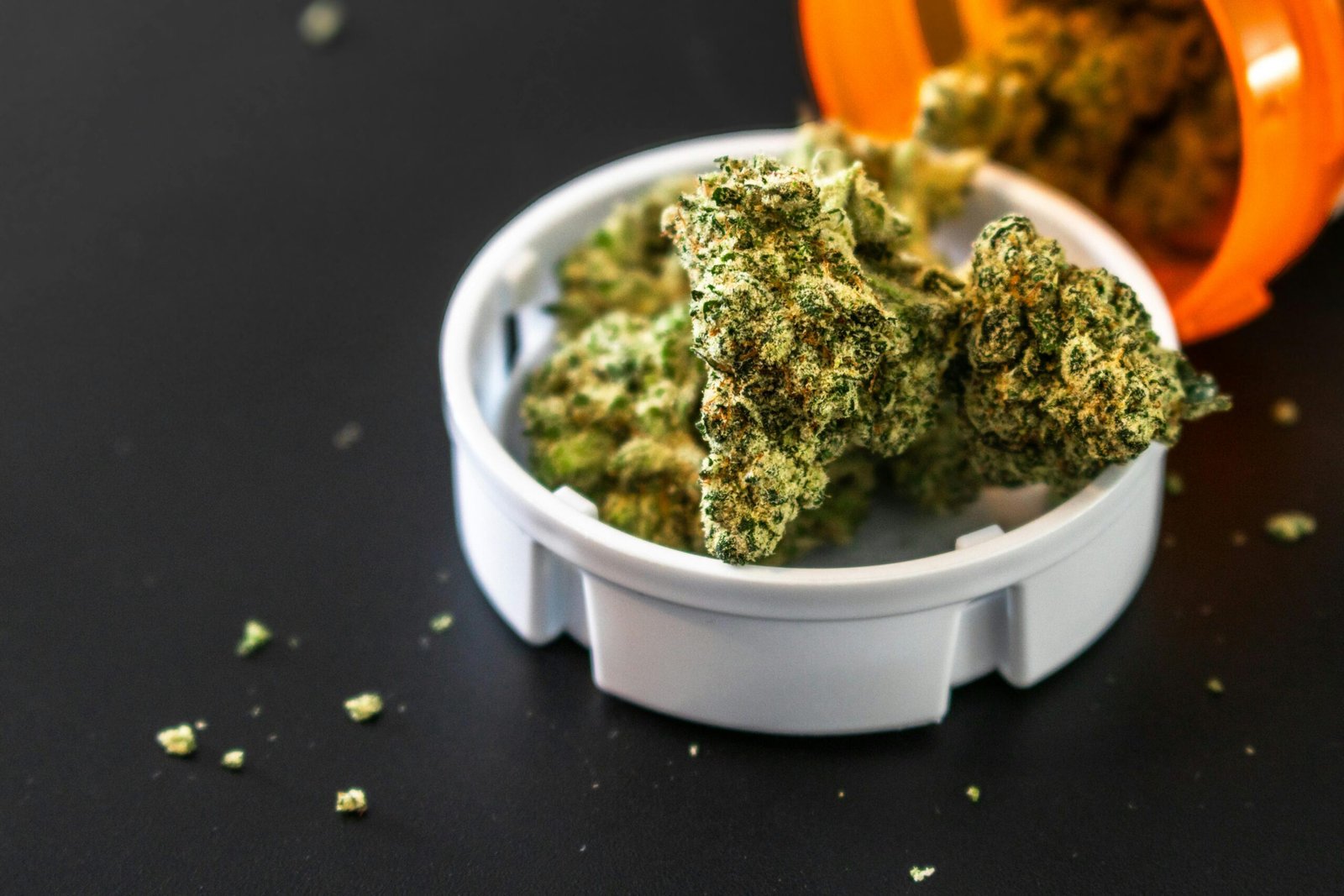
Walking into a medical cannabis dispensary for the first time can feel overwhelming. You might see names like “Purple Kush” or “Charlotte’s Web” and wonder if you accidentally wandered into a fantasy novel. The truth is that different cannabis strains have different effects. Understanding these differences is important if you want to use medical cannabis legally and safely.
What Makes Each Strain Different?
Think of cannabis strains like different types of apples. All apples are fruit, but a Granny Smith tastes completely different from a Red Delicious. Cannabis works the same way. Every strain contains different amounts of chemical compounds called cannabinoids. The two most important cannabinoids are THC and CBD.
THC is the compound that creates the “high” feeling that cannabis is famous for. CBD doesn’t make you feel high at all. Instead, it helps reduce pain and inflammation. Different strains have different ratios of these compounds. Some strains have lots of THC and almost no CBD. Others are the opposite. Many fall somewhere in the middle.
The Three Main Types of Cannabis
Before diving into specific strains, you need to understand the three basic categories. Cannabis Sativa plants grow tall and thin. People describe Sativa effects as energizing and uplifting. Cannabis Indica plants are short and bushy. Indica strains tend to make people feel relaxed and sleepy. Hybrid strains are created by mixing Sativa and Indica plants together.
Many experts now say these categories don’t tell the whole story. Two Indica strains might have completely different effects. The specific cannabinoid and terpene content matters more than whether something is labeled Sativa or Indica. Still, these terms are useful for beginners trying to navigate the medical cannabis world.
Strains That Help with Specific Conditions
Medical cannabis patients often ask which strain will work best for their condition. While everyone’s body responds differently, some strains have built strong reputations for helping with particular health problems.
Charlotte’s Web became famous for treating childhood epilepsy. This high CBD, low THC strain helped reduce seizures in children when traditional medications failed. The strain got its name from Charlotte Figi, a young girl whose severe seizures dramatically improved after using this cannabis oil.
For people dealing with chronic pain, strains like Harlequin offer relief without making you feel too drowsy or confused. Harlequin has a balanced CBD to THC ratio. This balance helps manage pain while allowing patients to stay functional during the day.
Parkinson’s disease patients sometimes use Cannatonic to help control tremors and muscle stiffness. This strain is high in CBD and low in THC. It provides symptom relief without strong psychoactive effects.
Migraine sufferers might find help from strains like ACDC or Purple Kush. ACDC is another high CBD strain that fights pain and inflammation. Purple Kush is an Indica that helps people relax when a migraine hits.
The Legal Side of Medical Cannabis
Here’s something crucial to understand. Having a medical condition doesn’t automatically give you legal access to cannabis. The laws vary wildly depending on where you live. As of 2025, 37 states have legalized medical marijuana in some form. Each state has its own list of qualifying conditions and registration requirements.
To legally use medical cannabis, you typically need a recommendation from a licensed doctor. You can’t just walk into a dispensary and buy cannabis because you think it might help. Most states require you to register with a state medical marijuana program. This process usually involves paying fees and getting an official medical marijuana card.
Federal law still classifies marijuana as a Schedule I controlled substance. This creates an odd situation where something can be legal in your state but illegal under federal law. The good news is that federal authorities generally don’t prosecute people following their state’s medical marijuana laws. Still, it’s worth understanding that this legal gray area exists.
How to Choose the Right Strain for You
Finding your ideal strain takes time and patience. Start by talking to a healthcare professional who understands cannabis medicine. Many states now have doctors who specialize in medical marijuana recommendations. These doctors can guide you based on your specific symptoms and health history.
When you visit a dispensary, don’t be shy about asking questions. Budtenders are trained to help patients find appropriate products. Tell them about your symptoms, your experience level with cannabis, and any concerns you have. They can recommend strains that other patients have found helpful for similar conditions.
Keep a simple journal tracking which strains you try and how they affect you. Write down the strain name, how much you used, and what effects you noticed. Did it help your symptoms? Did you experience any side effects? This information becomes incredibly valuable over time.
Remember the golden rule for medical cannabis: start low and go slow. Begin with a small dose and wait to see how it affects you before taking more. You can always take more cannabis, but you can’t untake it once it’s in your system.
The Bottom Line
Medical cannabis strains offer real potential for managing various health conditions. Charlotte’s Web for seizures, Harlequin for pain, and Cannatonic for movement disorders represent just a few examples of how different strains can help different problems. However, medical cannabis isn’t a magic cure that works the same way for everyone.
Always follow your state’s medical marijuana laws and work with qualified healthcare providers. Do your research, start with low doses, and pay attention to how your body responds. With patience and proper guidance, many patients find that medical cannabis becomes a valuable part of their treatment plan.
The world of medical cannabis continues to evolve as researchers conduct more studies and breeders develop new strains. Staying informed and working with professionals will help you make the best choices for your health. Whether you’re considering medical cannabis for the first time or looking to optimize your current treatment, understanding strain differences puts you on the path to better results.
