
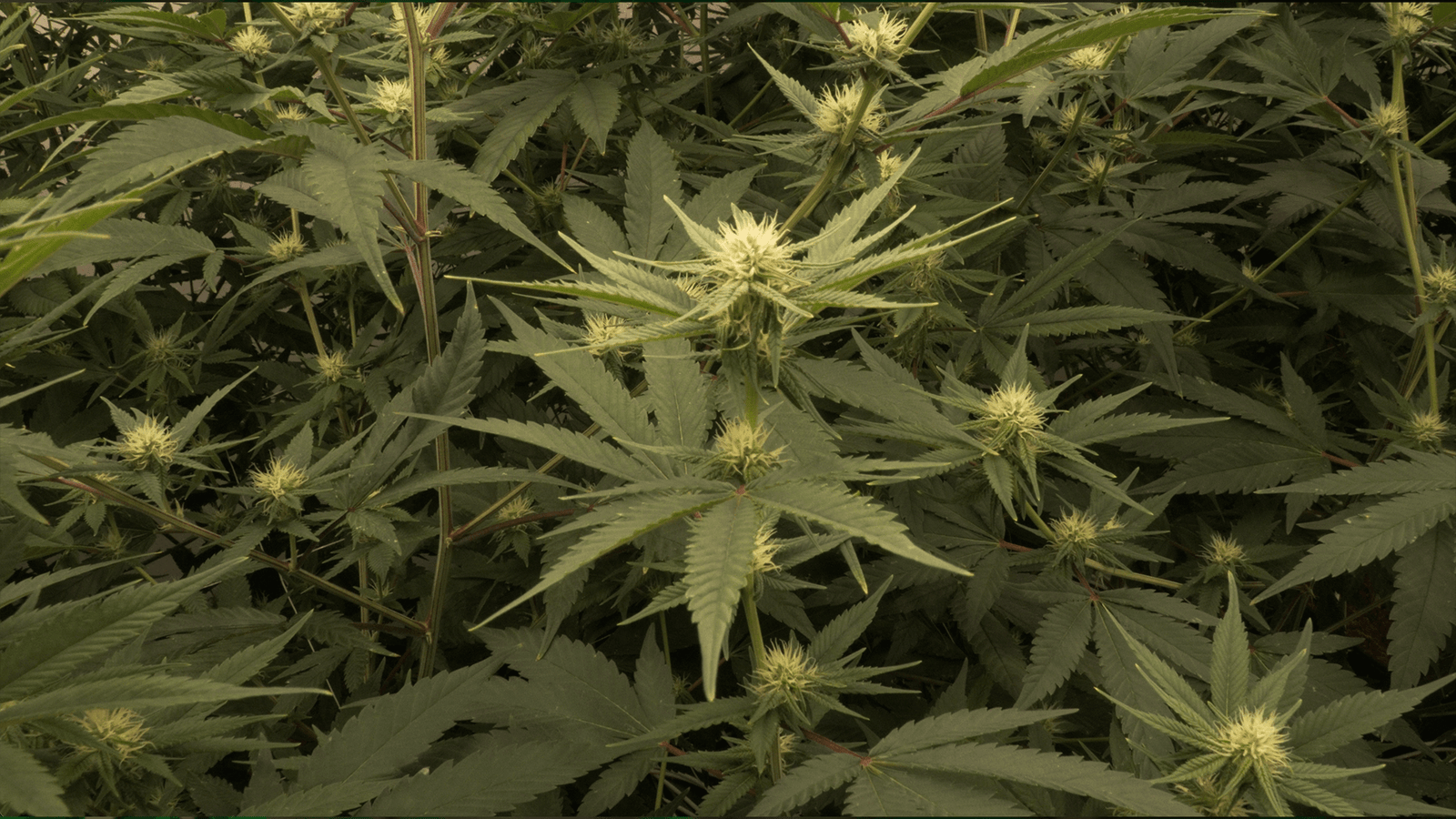
For more than half a century, the federal government treated marijuana the same way it treated heroin. This isn’t like treatment that is a little bit similar but exactly the same. Both were listed as Schedule I drugs under the Controlled Substances Act, meaning the government officially declared they had no accepted medical use and carried a high risk of abuse. After decades of science, millions of patient testimonies and 40 states passing medical marijuana laws, the federal government has finally started to change its tune. On April 23, 2026, the Trump administration made history.
President Donald Trump’s acting attorney general Todd Blanche signed an order reclassifying state-licensed medical marijuana as a less-dangerous drug, a major policy shift long sought by advocates who said cannabis should never have been treated like heroin by the federal government. The Justice Department and the Drug Enforcement Administration announced the immediate placement of both FDA-approved products containing marijuana and marijuana products regulated by a state medical marijuana license into Schedule III of the Controlled Substances Act. This move did not come as a random account of generousity. On December 18, 2025, the President issued an executive order instructing the attorney general to expedite the process of rescheduling marijuana already underway, with directives related to ensuring patient access to full-spectrum CBD products. The April announcement was the follow-through on that sentiment and it represents the fastest meaningful action on federal cannabis policy in modern history.
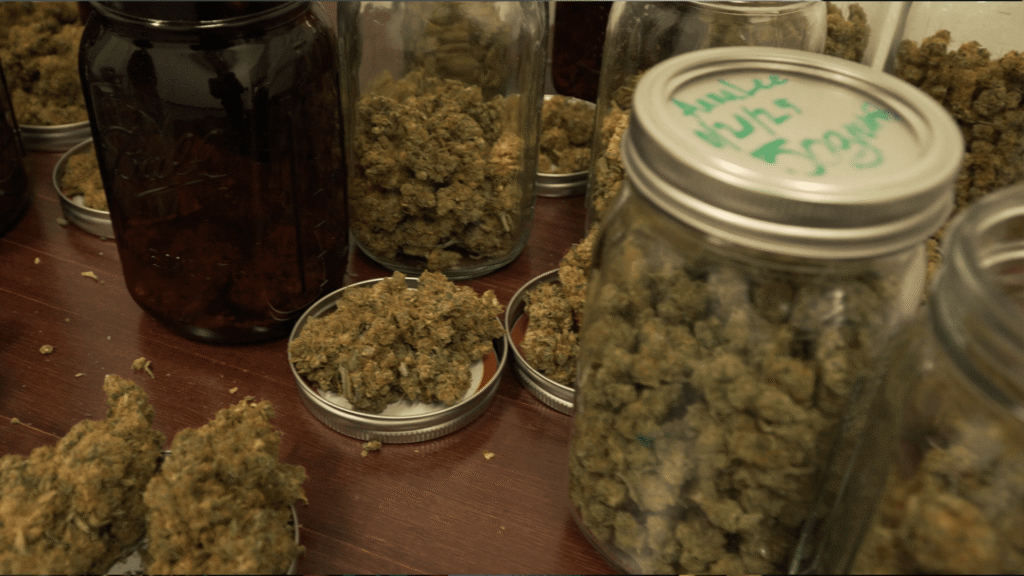
Schedule I vs Schedule III
To understand why this matters so much, you have to understand what these labels actually mean.
Substances in Schedule I have no accepted medical use and may not lawfully be dispensed by prescription, while substances in Schedule III have an accepted medical use and may lawfully be dispensed by prescription. Congress originally placed marijuana in Schedule I, back in 1970 and had no desire to change it despite limited research findings. Schedule III drugs are defined as having moderate to low potential for physical and psychological dependence, including substances like ketamine and anabolic steroids. The federal government now officially recognizes that marijuana has real medical value and that is a very big deal.
Here is the part where a lot of people get confused regarding the details. The change would not legalize the drug at the federal level but shifts cannabis from its current status as a Schedule I substance to Schedule III under the DEA’s controlled substances framework. Recreational cannabis remains federally illegal for now. The June 29 hearing exists because the administration used a two-track approach: move the covered medical categories now, then conduct a formal hearing on the broader question of marijuana’s overall federal status. This means that the fight for full legalization is still ongoing but this step moves the needle further than anything the federal government has done in over 50 years.
A Massive Win for Research
One of the biggest obstacles to understanding marijuana’s medical potential has always been the research barrier. Scientists trying to study cannabis for therapeutic purposes had to jump through an enormous number of federal hoops just to legally access it. Reclassification lowers longstanding barriers that have made it difficult for researchers to study cannabis in clinical settings. Conditions like chronic pain, PTSD and neurological disorders are among the areas where researchers have been eager to conduct proper clinical trials. Now they will have a much clearer path to do that.
Trump said the reclassification will make it far easier to conduct marijuana-related medical research, allowing scientists to study benefits, potential dangers and future treatments. That is good news for patients, doctors and the millions of Americans who use cannabis products and deserve solid scientific information to guide their choices. The order grants state-licensed medical marijuana companies a windfall by allowing them, for the first time, to deduct business expenses on their federal taxes.
Most American companies only pay taxes primarily on their profits but businesses that deal in Schedule I or II substances face tax deduction barriers on their operating expenses under Section 280E of the Internal Revenue Code. This onerous tax provision has significantly hindered growth for plant-touching cannabis businesses. Being freed from that restriction means cannabis businesses can now deduct ordinary expenses like rent, payroll and utilities. That additional cash flow will help businesses invest, grow and provide more consistent products to consumers.
What People Are Saying
The reaction has been strong on both sides. The president of the American Trade Association for Cannabis and Hemp, Michael Bronstein, called it “the most significant federal advancement in cannabis policy in over 50 years.” Verano founder and CEO George Archos said the announcement marks a pivotal moment that recognizes commonly accepted medical uses for cannabis, finally allowing the industry to reach its full potential by serving patients, creating jobs and unlocking economic growth.
Not everyone is celebrating. Marijuana legalization opponent Kevin Sabet, CEO of Smart Approaches to Marijuana, said that while marijuana research is necessary, the move sends a confusing message about marijuana’s harms to the American public.
What Comes Next
The Department of Justice announced a new hearing beginning June 29, 2026, to provide a timely and legally compliant pathway to evaluate broader changes to marijuana’s status under federal law. That hearing will decide whether marijuana outside of the currently covered medical categories should also be moved to Schedule III. Legal challenges are expected and with more than 20 Republican senators consenting to a letter urging the administration to maintain current restrictions and full federal legalization or descheduling would still require a separate political and legislative fight.
The road ahead is still long. The National Conference of State Legislatures tracks ongoing cannabis law changes across all 50 states and those changes are accelerating faster than ever. For patients, researchers, small business owners and curious consumers alike, the federal government has finally started catching up to where most of America already stands. Even though it is fifty years late; the move is still worth celebrating.
Care to Partake? Subscribe for free to receive new posts and more content.
💬 Join the conversation by dropping your questions or thoughts in the comments.
📨 Let an email fly high to get in touch with the team
➡️ Preview, Process then Pass this article to someone whom you know can use it.
The Partakers Collective
